On Grey Days
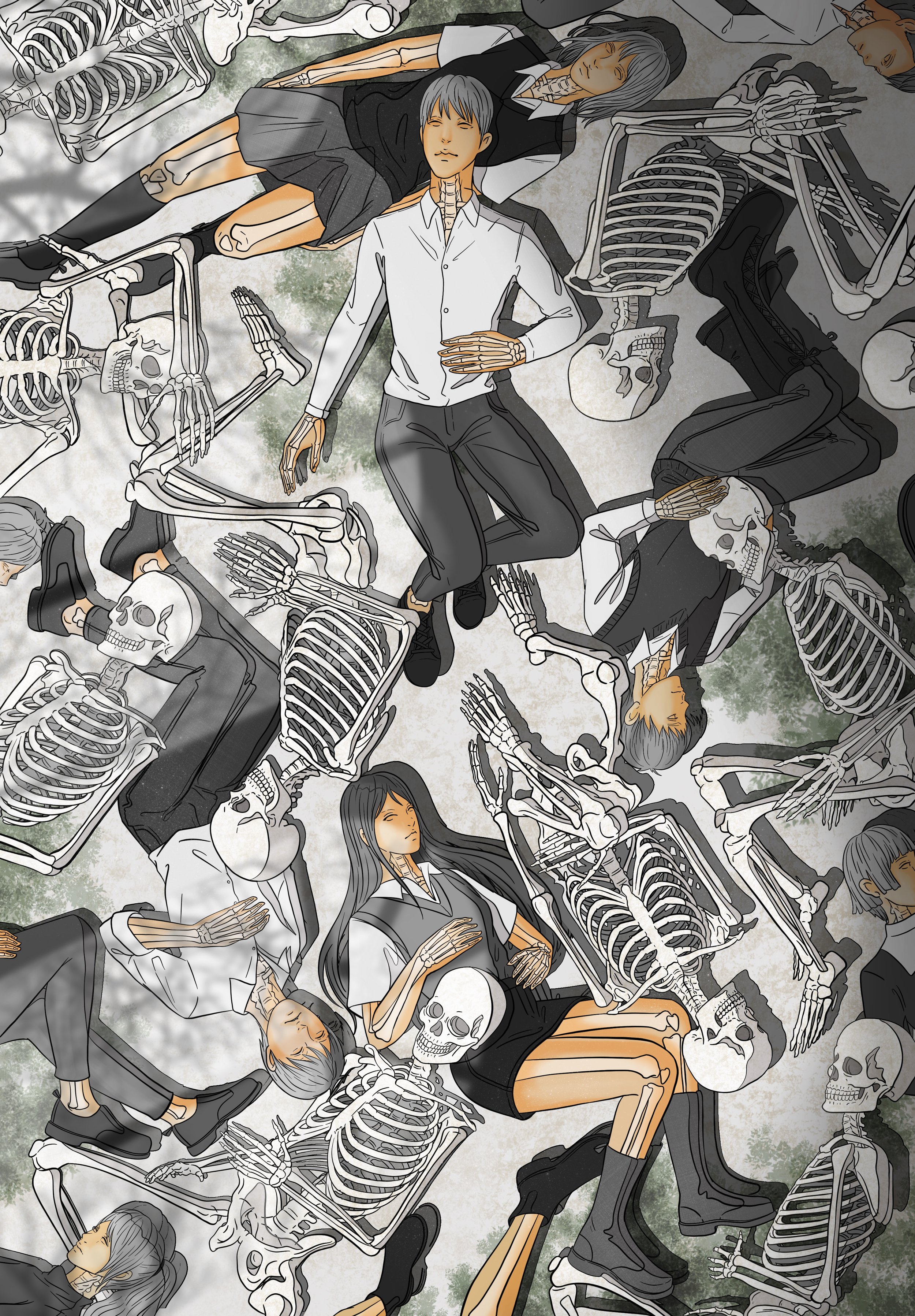
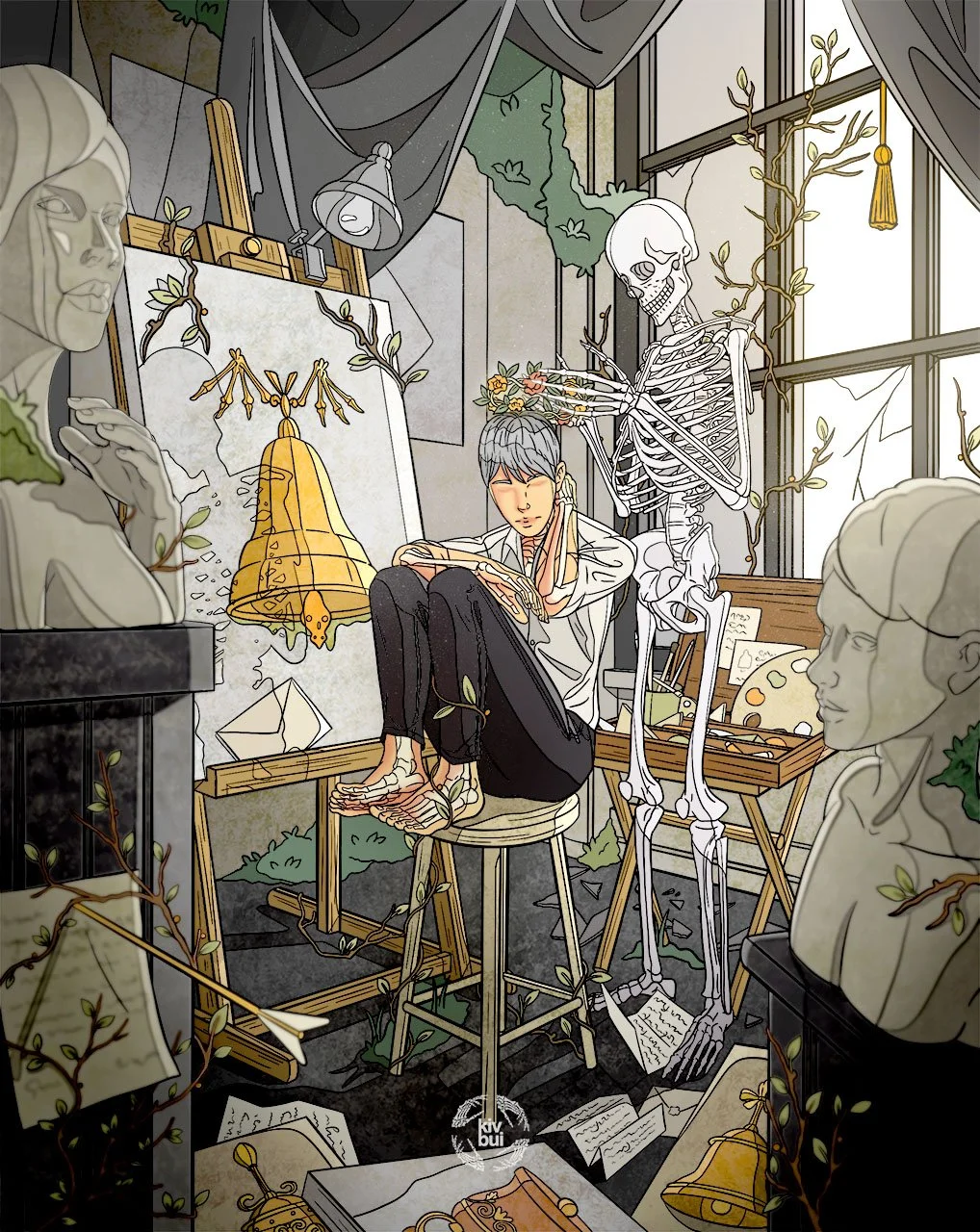
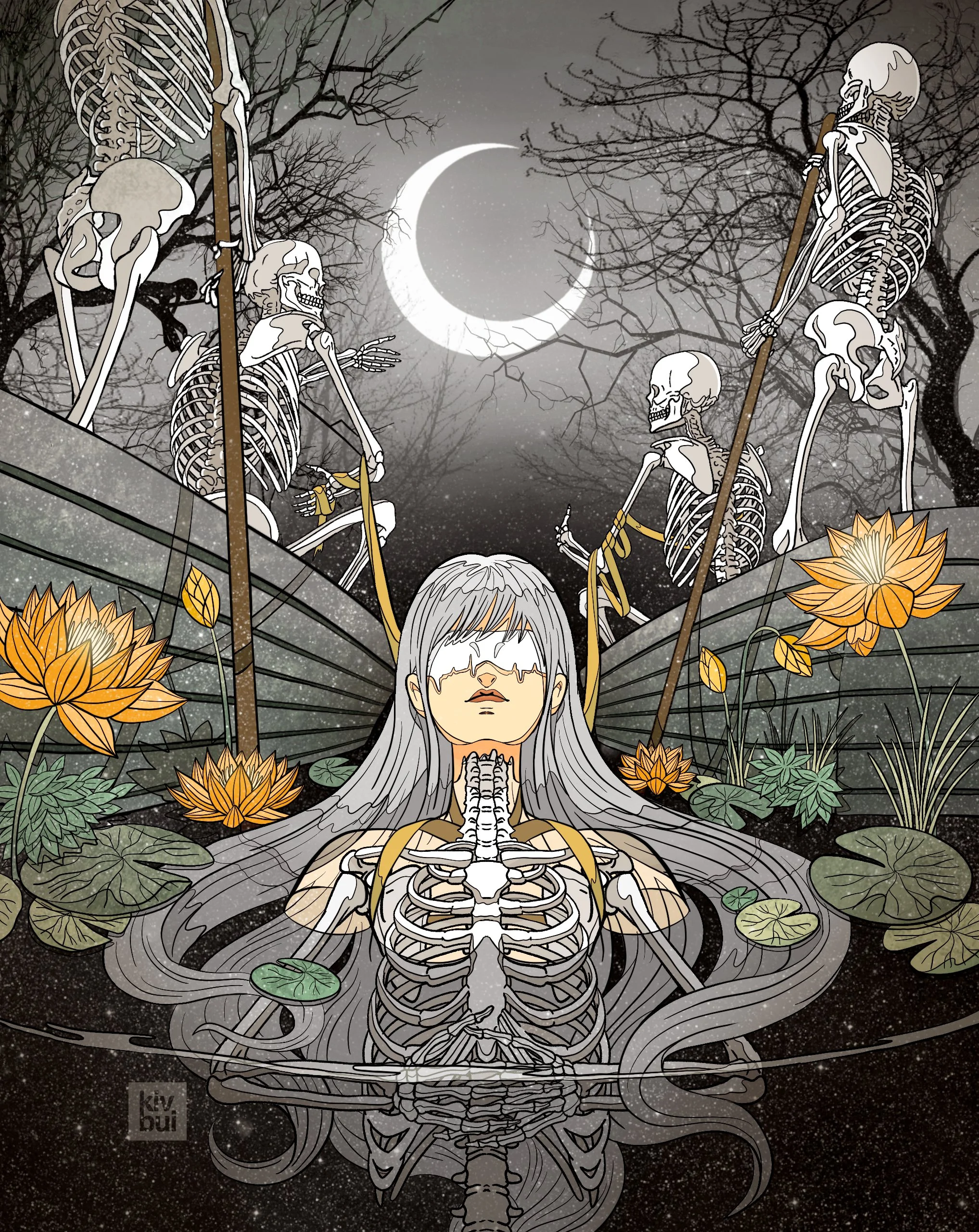
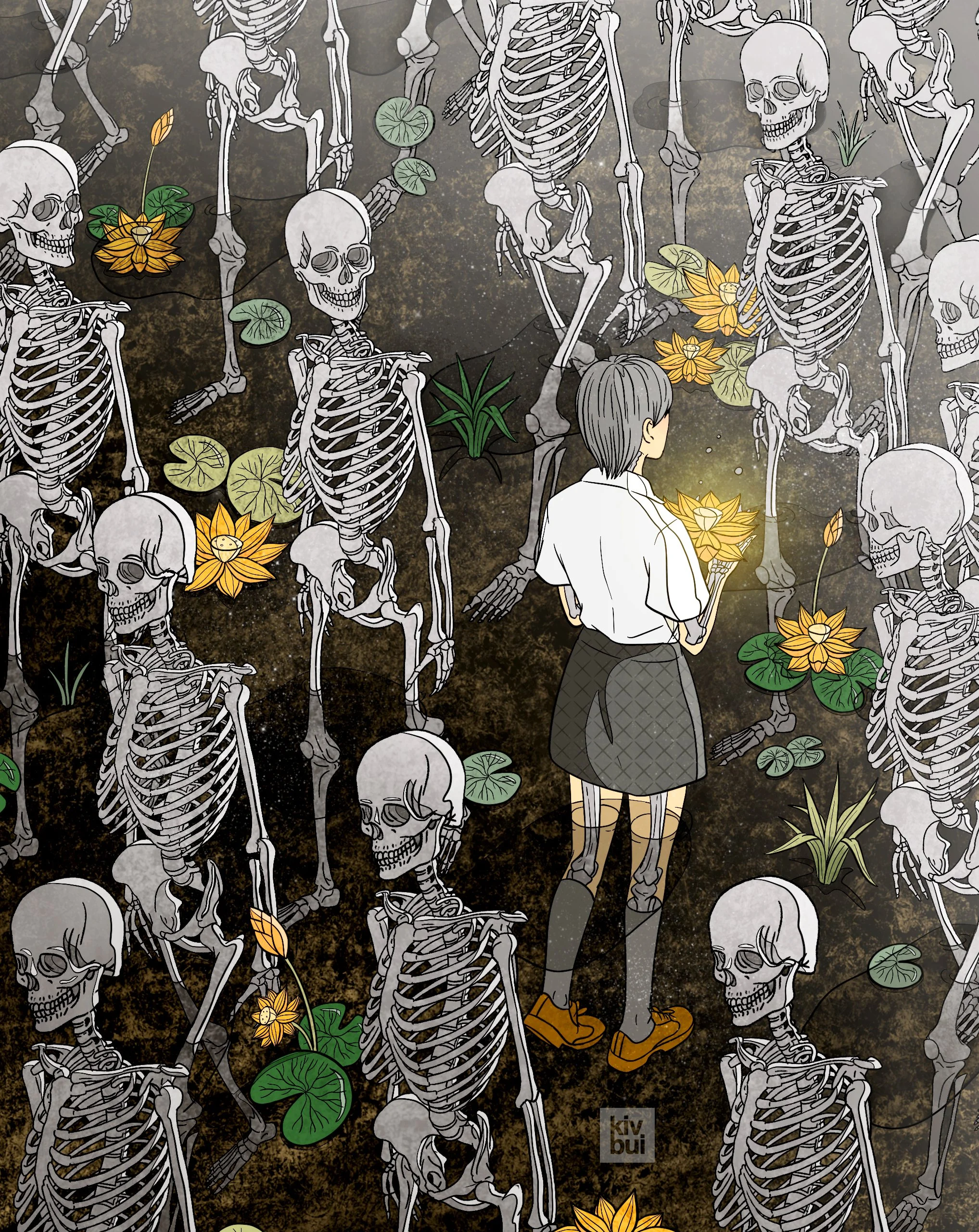
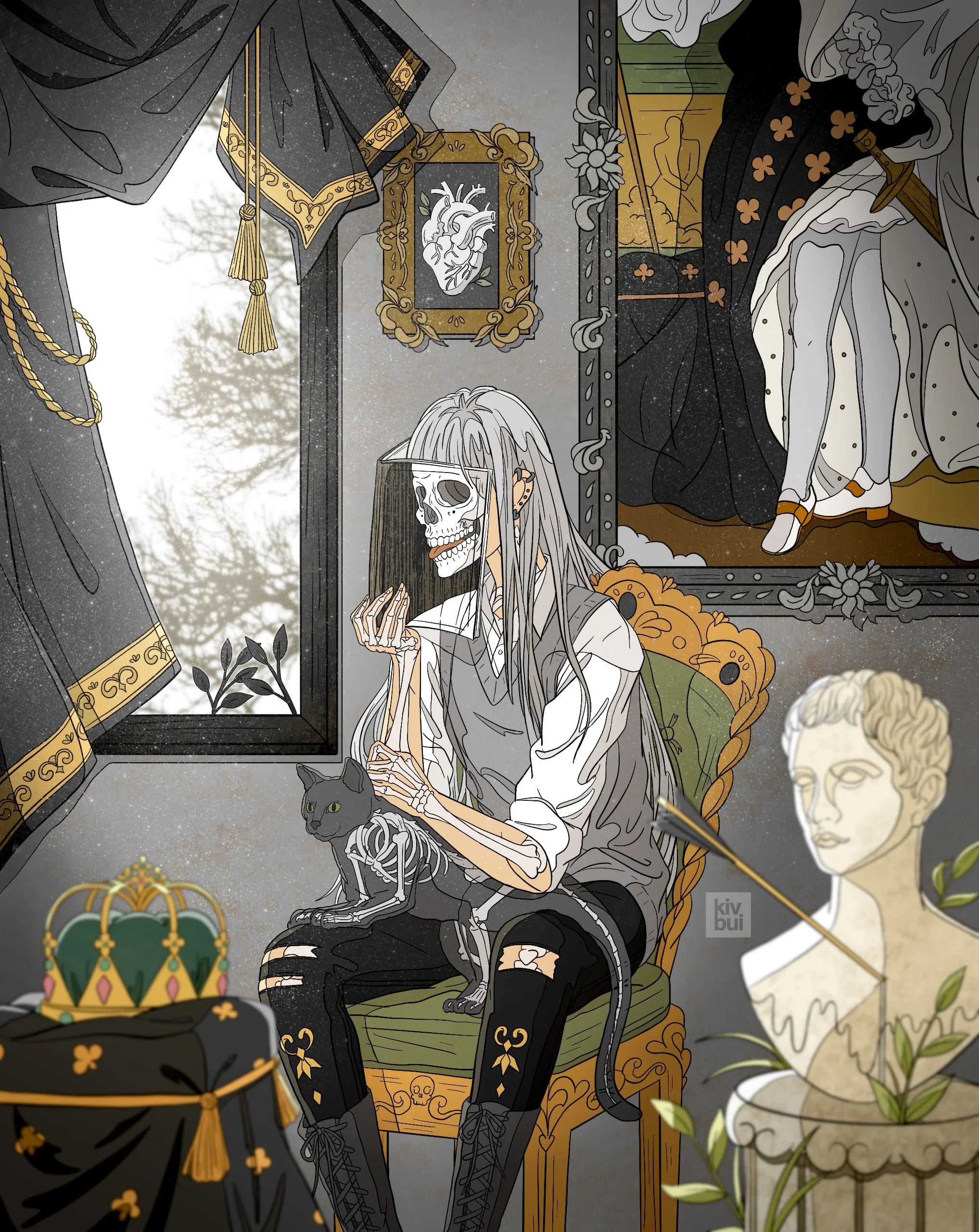
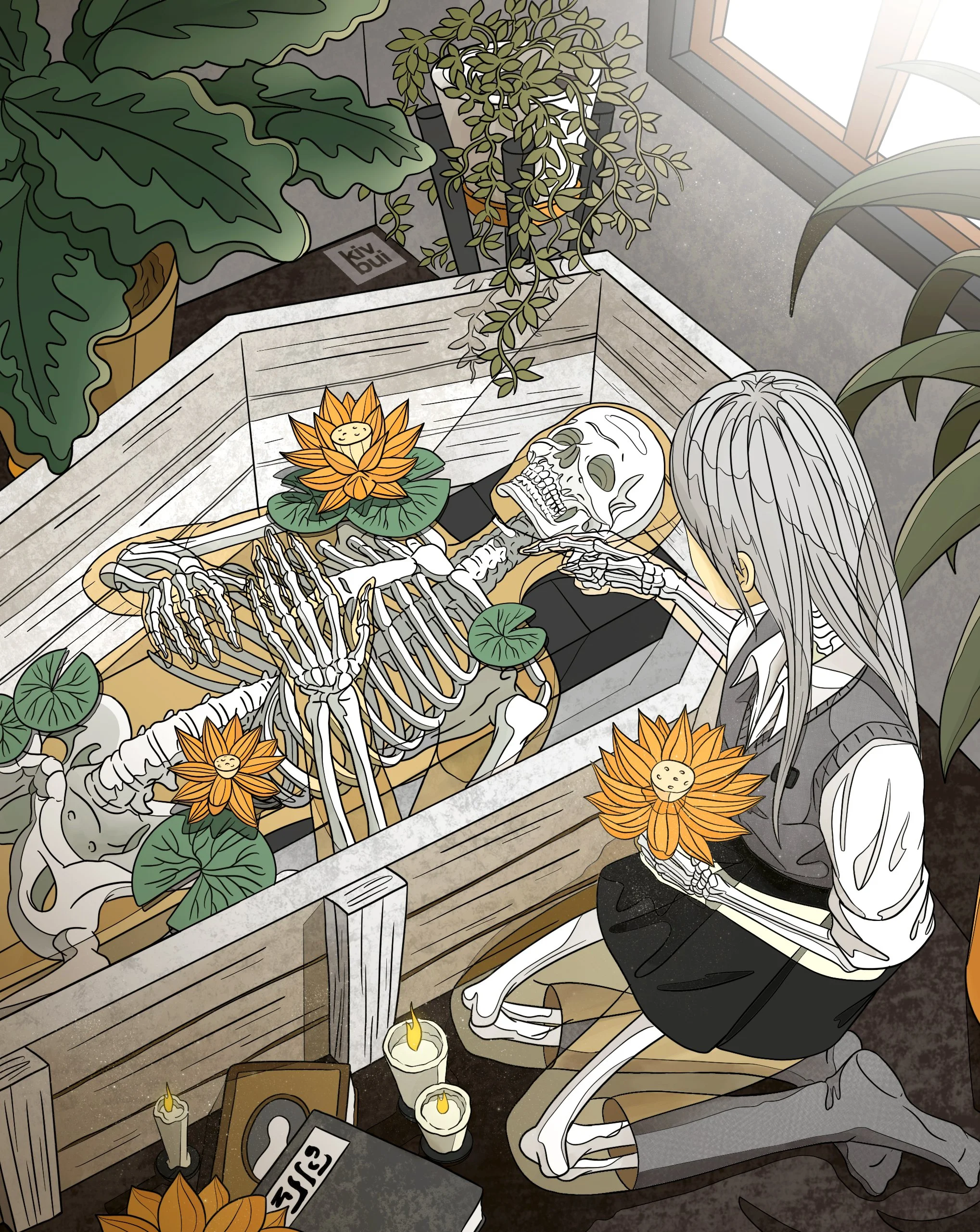
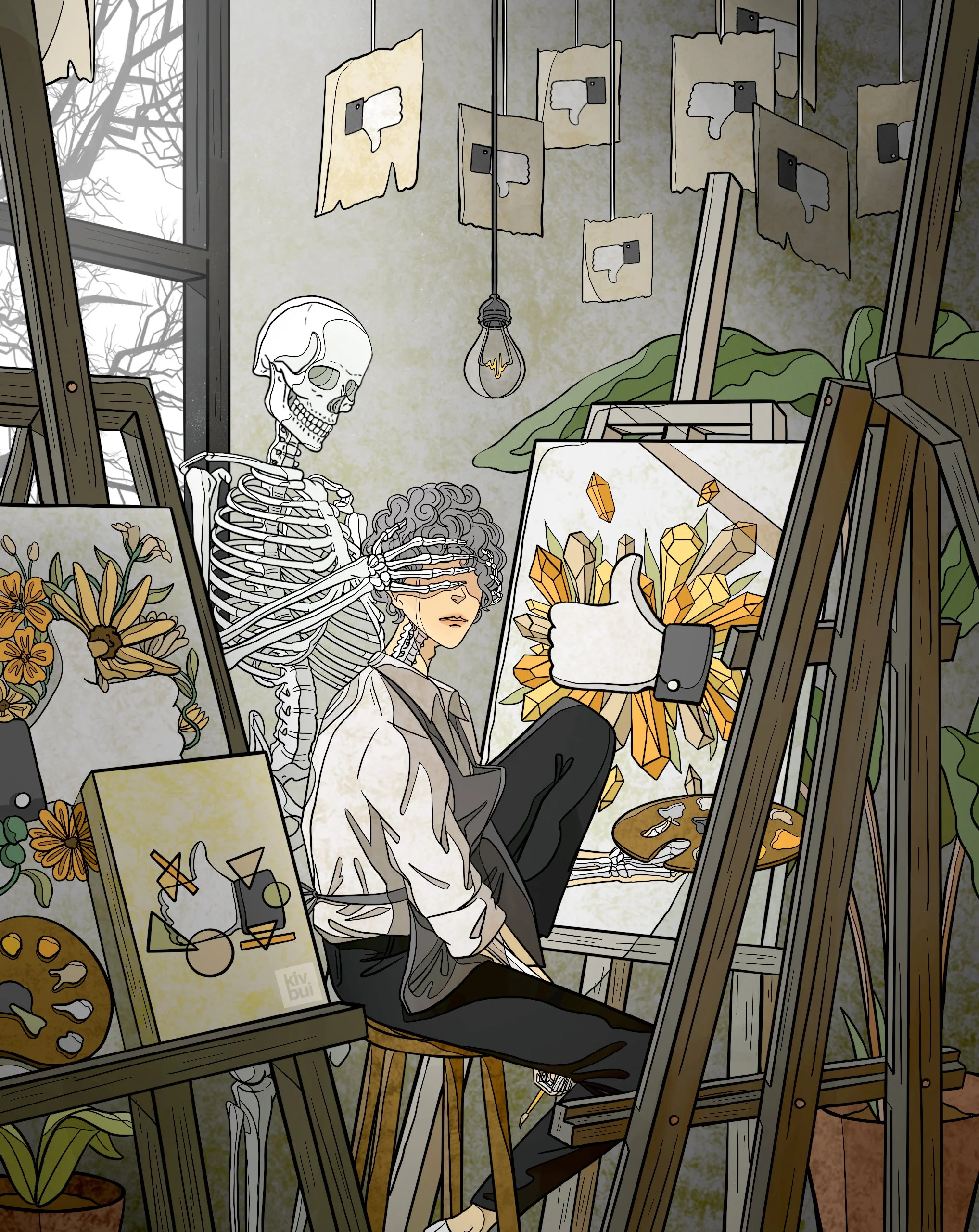
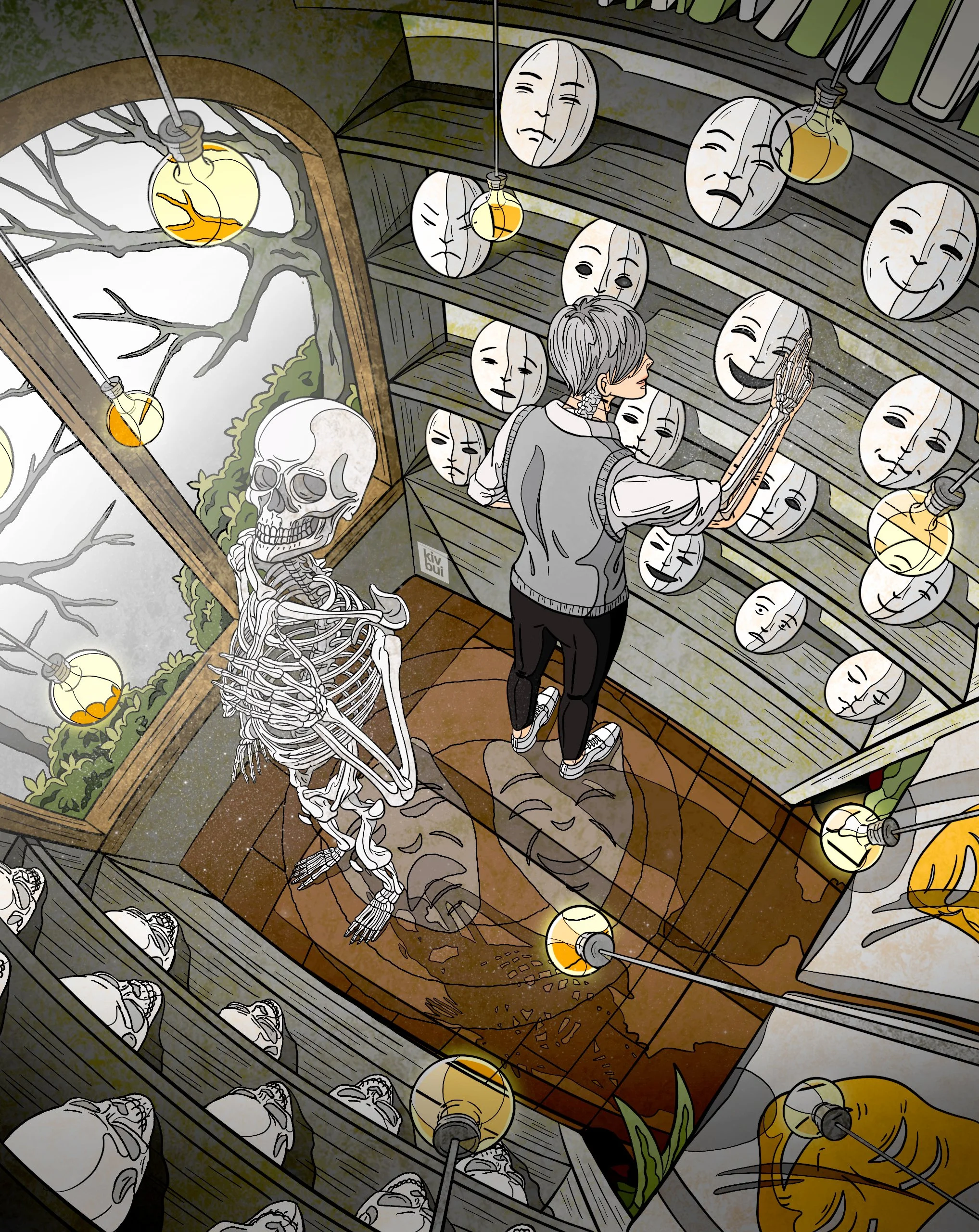
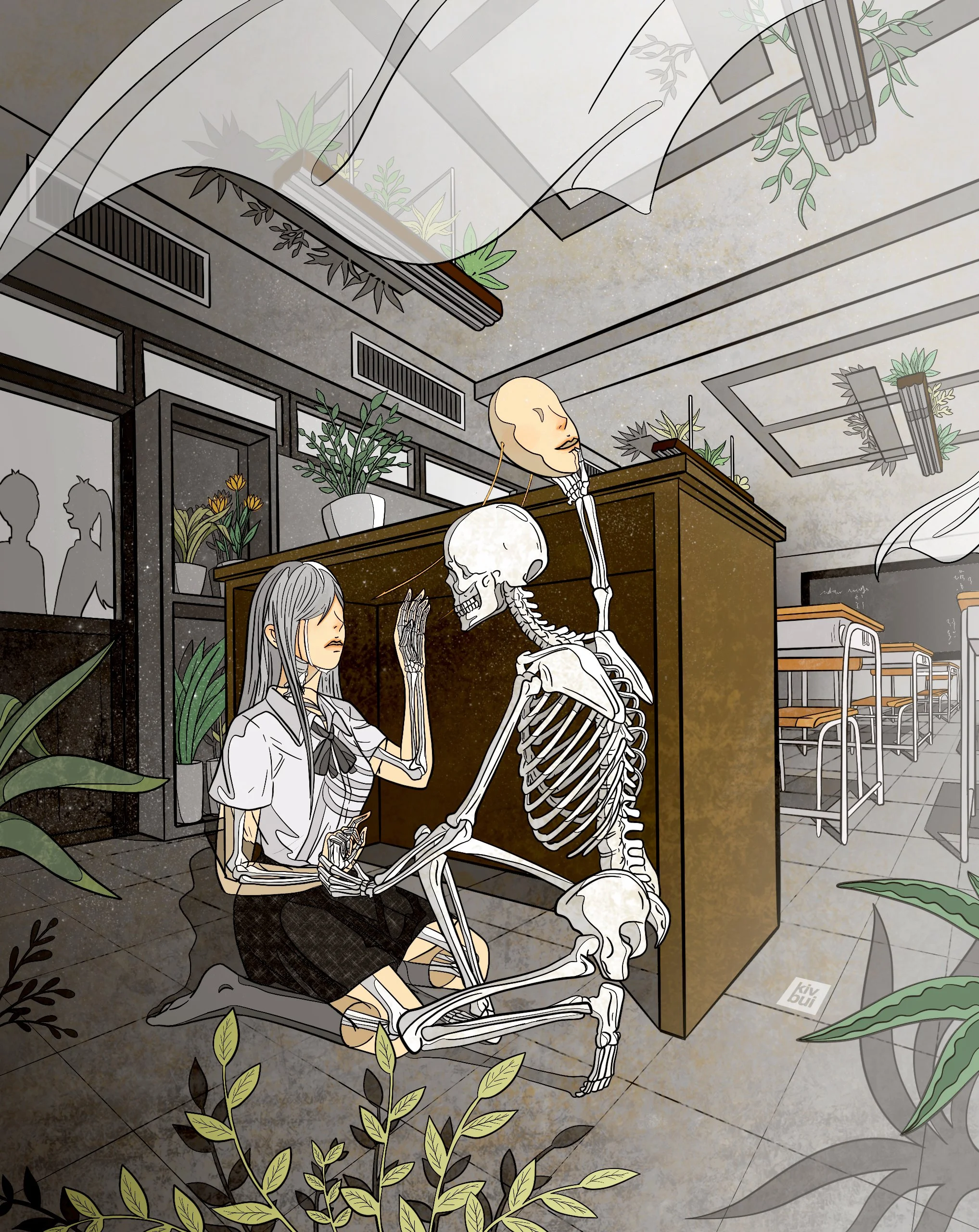
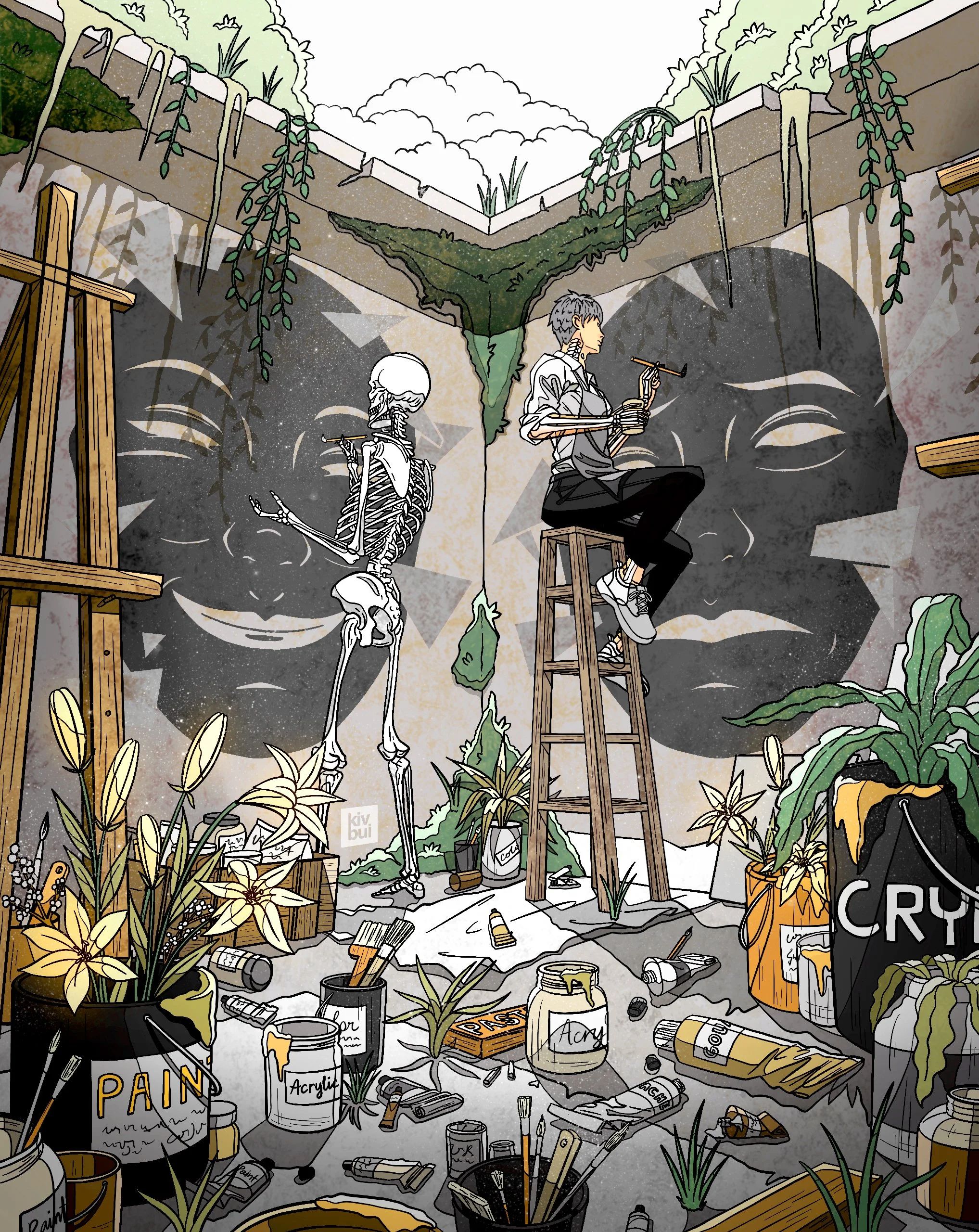
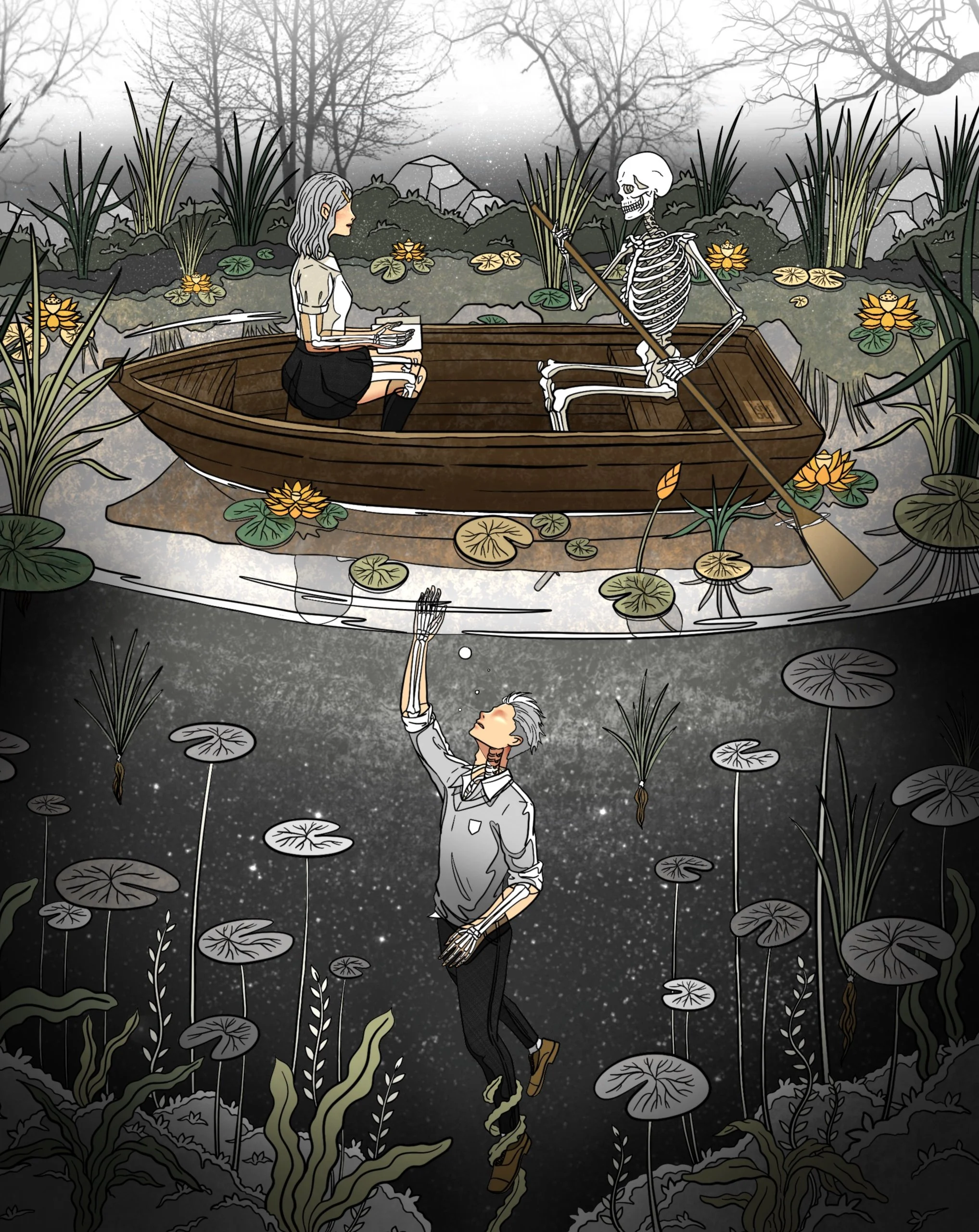
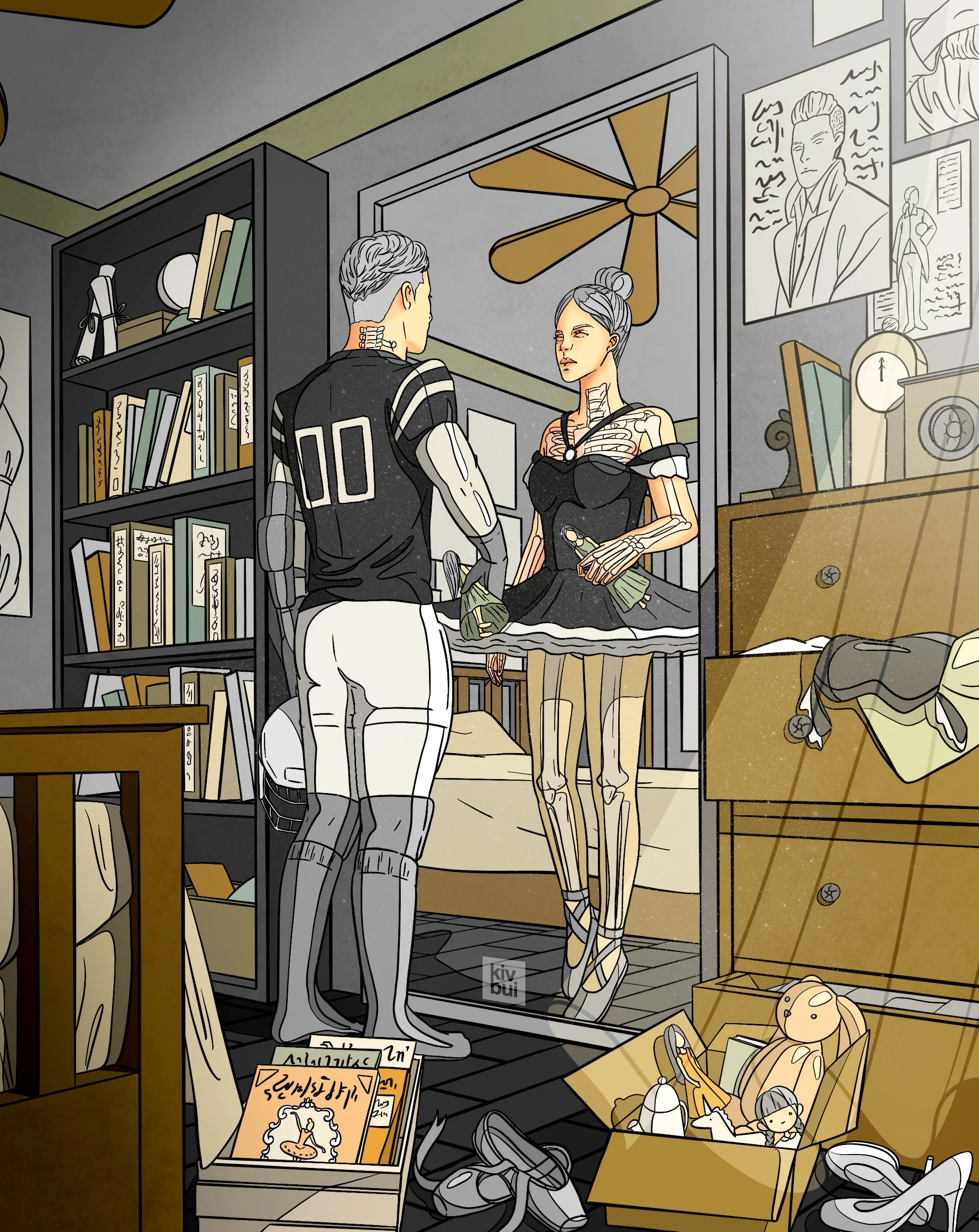
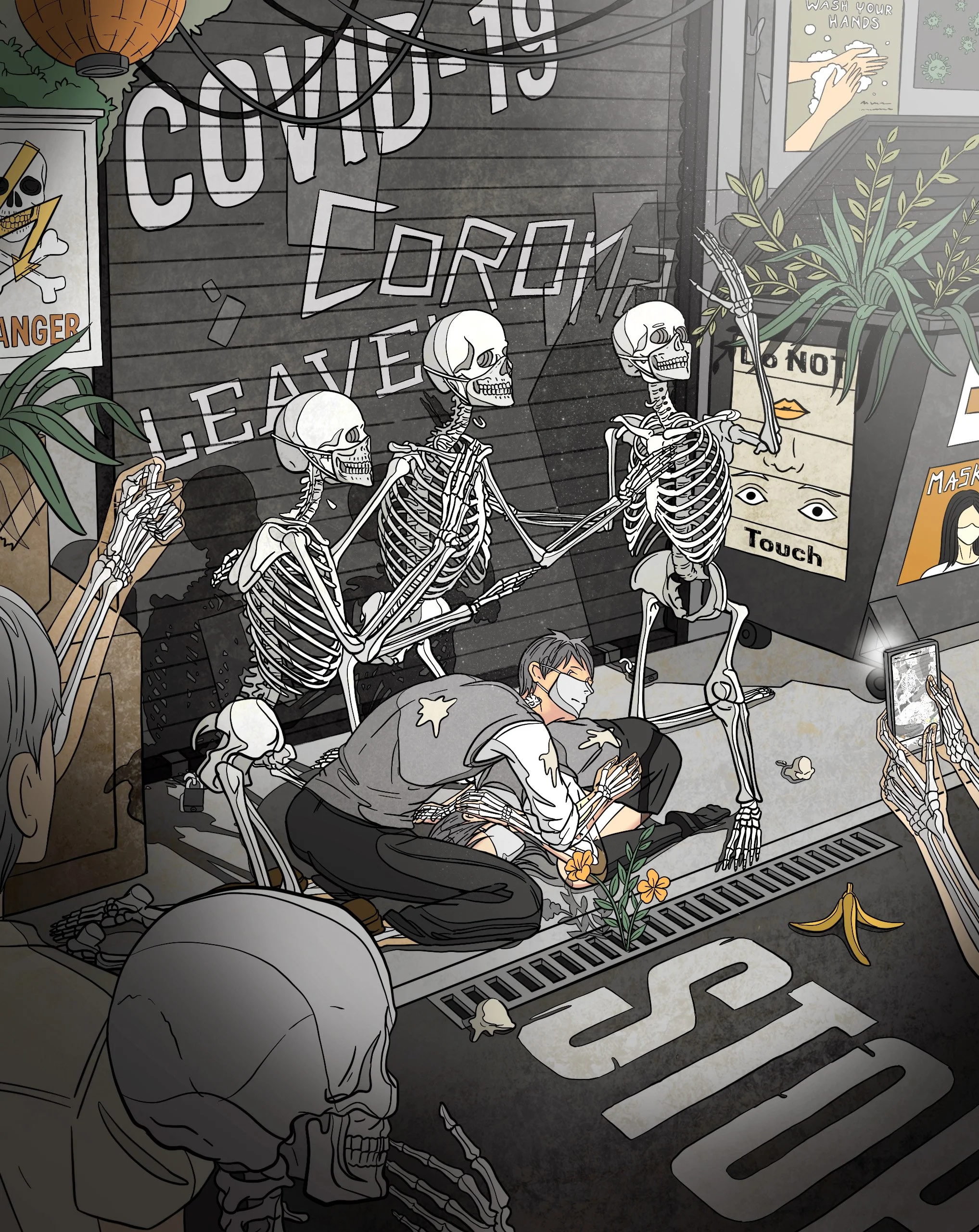
On Grey Days is a series of illustrations and stories about Lost Souls—people who feel unseen, unheard, and emotionally isolated while struggling with conflicting expectations, responsibilities, and emotions.
They are thoughtful—often too aware—of themselves, of others, of everything around them, carrying a quiet desire to be good, to be fair, to do right, and to grow. They listen, reflect, and try. Yet their presence is met with misunderstanding, dismissal, or judgment.
Over time, they stop expecting to be understood. These are the Lost Souls.
They are called “lost” not because they lack direction or ability, but because they are caught between contradictions. They live within restrictions, expectations, responsibilities, and beliefs that make it unclear how they should feel, think, and act. Within these boundaries, every decision has a cost. Choosing one path often means losing another, leaving them unsure of how to move forward.
Trying to hold everything at once, they become overwhelmed, unsure of which path is right, and afraid that any choice will cost them something important. So they turn inward. Not out of ignorance or avoidance, but because they are searching for a way to understand what they carry without losing themselves.
Each illustration and story in On Grey Days shows a Lost Soul. These events do not take place within the kingdom itself, but its elements appear, shaping and revealing the struggles they carry.
The Lost Soul appears as a human figure with translucent skin that reveals the skeleton beneath. In many contexts, skeletons are seen as symbols of death, but in Kiv Bui’s universe, both characters and creatures reveal their skeletons, serving as a quiet reminder that beneath the surface, all beings are fundamentally the same. Rather than evoking fear, these forms show unity, strength, resilience, and gentle support.
“Under our skin, we are all the same, we are all skeletons.”
- Kiv Bui -
-
![]()
The Appreciation
-
![]()
Out Of This Darkness
-
![]()
Don't Be Afraid To Be Different
-
![]()
Protagonist Syndrome
-
![]()
It's Okay, Sleep
-
![]()
New List Item
-
![]()
Which Mask?
-
![]()
Let It All Out
-
![]()
Hidden Place, Open Space
-
![]()
So Close, Yet So Far
-
![]()
The Borrow Voice
-
![]()
The Discrimination Virus